Article note: +1! (+ #toitoitoi)
 Potsdams Bildungsdezernentin sieht in der Partei keinen Partner bei der Bewältigung der Herausforderungen der Zukunft - und bescheinigt ihr "teils menschenfeindliche" Äußerungen. Potsdams Bildungsdezernentin sieht in der Partei keinen Partner bei der Bewältigung der Herausforderungen der Zukunft - und bescheinigt ihr "teils menschenfeindliche" Äußerungen.
 Die Bäume stellen ein Sicherheitsrisiko dar. Daher kommt es in dem Potsdamer Park bis zur Fällung zu Absperrungen.

PDGA Pro Worlds Championships FPO Lead Card Final Round part 1 and 2 are up. Commentary with @sarahhokom. . youtu.be/FKZJVPIkX_s . #ccdg #centralcoastdiscgolf #discgolf #pdga #dgpt #21proworlds #paigepierce #lisafajkus #catrinaallen #kristintattar pic.twitter.com/ENeJi7i0Bv
Die in Deutschland aufgebauten Impfzentren sind Ausdruck unbedingten Impfwillens. Dort durchgeschleust zu werden fühlt sich an, als sei man ein Produkt auf einem Fließband. Gleichzeitig ist das schnell, effizient und relativ unbürokratisch – genau was gebraucht wurde.
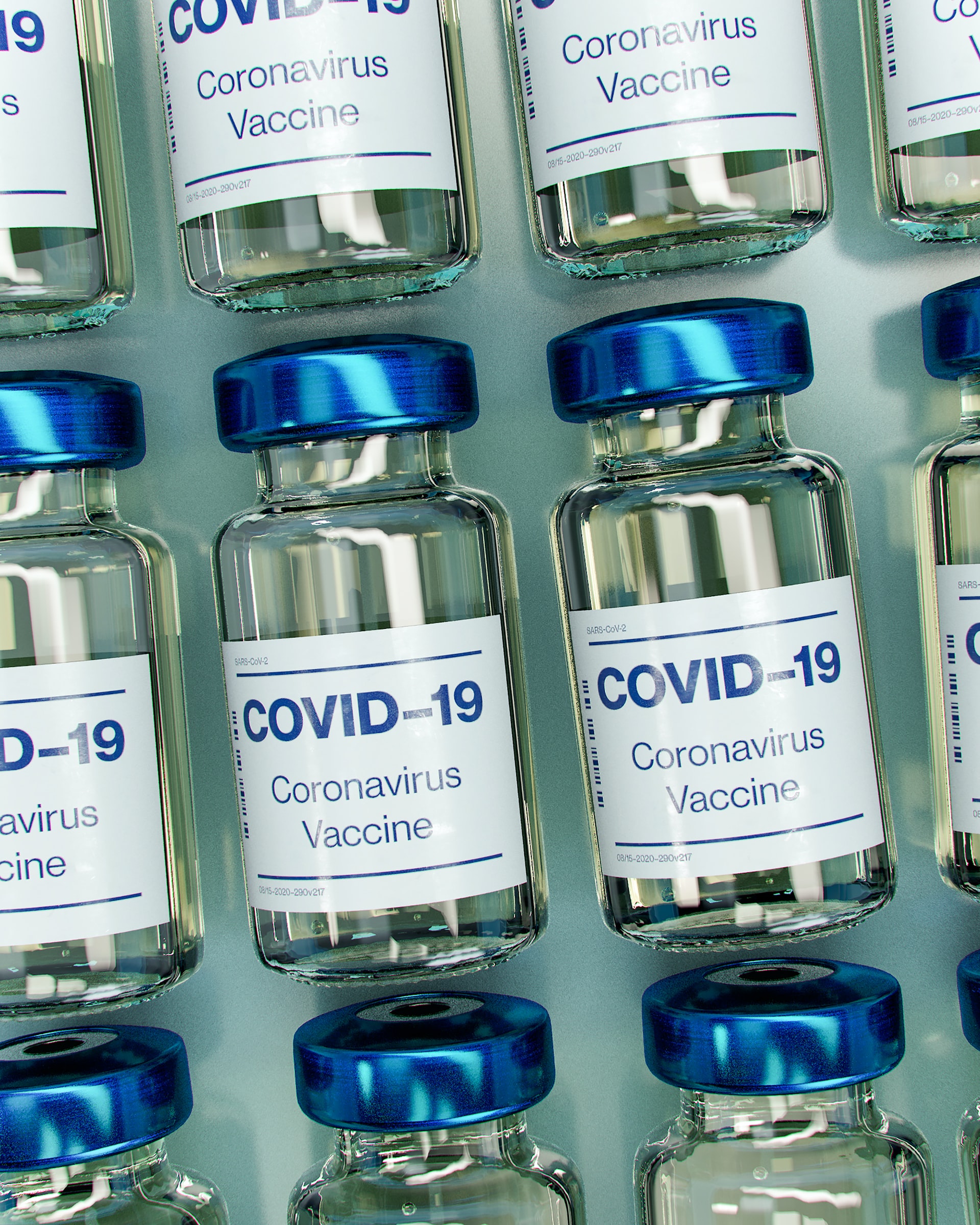
Ankommen zum vergebenem Termin mit dem vorausgefüllten Aufklärungs- und Anamnesebogen in der einen Hand, dem Telefon mit dem QR-Code der Terminbestätigunge in der anderen. Es fehlt die dritte und vierte, um sich problemlos wie vorgeschrieben die Hände zu desinfizieren – bei dem folgenden Herumbalancieren sind sicher schon viele Telefonbildschirme zerstört worden. Die Frau vor uns, über 60, meint sie habe keinen QR-Code erhalten (er steht immer in der Terminbestätigung). Aber sie weiß auch nicht was das ist. Unser wird überhaupt nicht gescannt, der Ausweis ist aus gerade klargewordenem Grund wohl doch genug.
Weiter zur Anmeldung. Nett: Wir werden zusammengestellt, obwohl jeder seinen eigenen Termin hat, das macht alles einfacher. Vor dem Strich warten, dann setzen. Die Empfangsdame schaut auf die Dokumente, gibt meiner Begleiterin einen neuen Impfpass. Weiter zum Wartebereich.
Ob der QR-Code schon gescannt wurde? Nein. Aber eingecheckt seien wir. Also geht es trotzdem mit Papierwartenummer in der Hand – statt dem nicht mehr nötigen Telefon – in den Wartebereich. Der ist ziemlich voll.
In NRW wurden am Tag der Impfung die Impfzentren für alle freigegeben. Das war später als ich erwartet hatte, deutlich nach der offiziellen (wohl nur Möglichkeit der) Freigabe zu Beginn des Monats. Es hatte dazu geführt, dass ich uns doch bei Ärzten auf Wartelisten habe setzen lassen, auch wenn das so aussichtslos schien wie es dann auch ergebnislos war. Jetzt aber war das Impfzentrum für uns nicht nur offiziell freigegeben, sondern auch direkt greifbar, weil frühmorgens vor der offiziellen Freischaltung das Online-Buchungssystem schon funktionierte. Und dort gab es sogar Termine für den jetzigen Tag.
Entsprechend viele sitzen hier, wobei das Wort Zweitimpfung oft fällt und der Großteil älter ist als wir. Man muss dem Zentrum zugute halten, dass es überhaupt keine Probleme mit uns gibt – fällt doch der Impfberechtigungsnachweis weg und sind wir damit so ziemlich die ersten. Aber die Leute sind vorbereitet.
Das Nummern-Aufrufen ist etwas chaotisch. Die vorher noch Wartenden brauchen einen Moment um zu verstehen, wohin sie bei Aufruf der Nummer gehen sollen. Und dann fehlen manche Nummern einfach, sind die Impflinge verschwunden. Vielleicht waren es Begleiter, wobei wir zwei eine gemeinsame Nummer bekommen haben. Leichtem Chaos zum Trotz geht es schnell, nach wenigen Minuten sind wir in einer Kabine.
Ärmel hochkrempeln. Der Arzt schaut in die Mappe. Noch Fragen? Eigentlich nein, ein kurzes Detail wird noch von mir erwähnt, aber es passt nicht ins Schema, er zuckt die Schultern. Kleiner Pieks, Stempel ins Dokument, fertig!
Nicht ganz, es gibt noch den Wartebereich. Der scheint entgegen der offiziellen Beschreibung inzwischen optional geworden zu sein, wir werden freundlich gebeten doch bitte erstmal zu warten, weil die Schlange so lang sei. Angesichts der super-seltenen Nebenwirkungen ist das verständlich, aber gleichzeitig sind die für uns Grund genug sowieso auch warten zu wollen. Man weiß ja nie.
Beim Warten schätzt meine Begleitung den Durchsatz des Zentrums. 2 pro Minute sind es wohl, was auch genau mit unserer Wartenummer und Terminzeit zusammenpasst. Es ist bestimmt eines der kleineren Zentren.
Bei der Abmeldung wird nochmal auf die Dokumente geschaut. Dem Nachbar neben uns wird mit Händen, Füßen und etwas Englisch erklärt, dass er nochmal wiederkommen muss für die Zweitimpfung. Uns, dass ein weiterer QR-Code für den digitalen Impfausweis per Post ankommen wird. Auch wir sollen die Zweitimpfung nicht vergessen. Als ob wir die nicht schon begierig erwarten. Und jetzt hocherleichtert den Parkplatz erreichen.
Die Impfzentren sind eine gute Einrichtung und sie sollten unbedingt bis zum vollständigen Ende der Pandemie erhalten bleiben. Das ist keineswegs sicher, sie kosten ja Geld, die Finanzierung steht bis September. Anlass für Laschets NRW-Querdenker-CDU, pro-Corona zu wirken. Dass es Mutationen und weitere Impfungen geben wird wollen solche wohl ignorieren – so wie die CSU-Spinner jetzt schon wieder Lockdowns ausschließen. Immerhin fordert Söder mal wieder genau das richtige: Einen Erhalt der Impfzentren. Man kommt nicht umhin, dem Mann und seinen Positionen Respekt zu zollen.
Denn die Impfzentren viel besser geeignet als Hausärzte, fair und schnell viele Menschen zu impfen. Gerade solche wie uns, die weder Wurzeln noch einen Hausarzt in der Region haben wo sie wohnen. Die Praxen können die Impfrate erhöhen, indem sie ihre Stammkundschaft abdecken, aber sie haben nie im Leben die Kapazität und die Organisationsfähigkeit, so viele Menschen wie die Zentren effizient zu behandeln. Nichtmal, wenn alle Praxen mit einem gemeinsamen Buchungssystem arbeiten würden, wovon es sowieso keine Spur gibt. Unser Besuch und dass wir überhaupt einen Termin bekommen haben hat das nur zu deutlich gezeigt. Es braucht diese Fließbänder, keine verstaubten Warteräume mit Spielecke für die Kinder.


Culture is a little like muscle memory. You can’t see it, but it does something really important.
Culture is the grease in the wheels of sports. It coordinates all the meanings and actions on the field; organizes, motivates and engages all the players, coaches, fans, businesses and media.
Without culture, there is no sport. We’re robots in soccer shorts.
And, like muscle memory, it takes an enormous amount of repetition and practice to develop. Only after a whole lot of talking and playing and arguing about stuff does culture form.
And yet – again like muscle memory – we almost always take it for granted. We often think about our behavior as a series of conscious, rational actions that reflect our personal preferences, when, in fact, most actions result from a stream of automatic thinking that is only made possible by deeply rooted culture.
We want to putt better, so we practice and practice and eventually we putt better.
But how we putt, who we putt with, when we putt, what we putt with and into, and why we putt in the first place are all the products of something we did not create intentionally nor choose on our own.
And that something is culture. Consider, for example, these two lines. What do you see here?

If you’re an accountant, maybe you see the beginning of a ledger. If you’re a Christian, perhaps you see a cross. It’s not that hard, right? Everybody sees something. That’s because our culture allows us to quickly make sense of things, even when the thing is vague, ambiguous or doesn’t make sense at all.
Of course, our culture can lead us astray. In this case, our accountant and the Christian are way off.

This, of course, is a tic-tack-toe board. It may be the simplest game on the planet, but even tic tack toe demands a culture – that is, a mutual interest in jotting Xs and Os on a piece of paper and a shared understanding of the rules.
Without culture, we may have something, but it’s not tic tack toe. For instance, a while back, here’s how a game went down between me and my five-year-old nephew. I tried to explain the rules to him, and he seemed to listen, but pretty much the same thing happened again.

Now, some might argue that my nephew is at fault in this situation. He’s not playing by the rules. His approach to the game is arbitrary and just wrong. Of course, this assumes that my understanding is not arbitrary, that my approach is the right way to play.
But why am I right? On what grounds can I make such a claim? The answer, I’m afraid, is unsatisfying. In the end, I’m right for no other reason save the fact that many other people think I’m right.
The culture of sports, especially for new and emerging ones, is a popularity contest.
Whoever drums up the most support for their understanding of the game wins. My nephew is not wrong, and I’m not right. My version of the game is just more popular than his.
Once we see that the dominant and alternative meanings of games and sports are equally arbitrary and completely subjective, we can then appreciate the importance of culture, this entirely made-up yet super important collection of shared beliefs, values, languages and material objects that coordinate all aspects of every sport.
And once we realize that there are winners and losers in the popularity contest of sports culture, we might be more interested in it.
Consider the case of the culture warrior Brodie Smith, a relative newcomer to disc golf whose bro army on social media outnumbers at least a dozen other pro disc golfers combined. His hot takes have ruffled more feathers in disc golf than big bird on a roller coaster.
Boiled to their essentials, here are some of his proposals for the future of the sport (along with my slightly unfair editorializing):
1) Only pay top finishers at tournaments. (Coffee’s for closers).
2) Lose the amateurs at pro events. (Long-haired freaky people need not apply).
3) PDGA ratings bad – PGA rankings good. (What does the PDGA do again?)
4) No more next-day tournament coverage. (Sorry Jomez).
5) Institute the PGA’s Cut Rule. (And put the losers out of their misery).
6) Stroke and distance. (Be a man!).
7) Stop calling it ball golf. (It’s “golf,” ya dirty hippies).
Although some disc golfers disagree with these proposals, Brodie Smith is not wrong. Because, when it comes to sports culture, there is no right or wrong. There is only a growing ideological consensus, which ebbs and flows over time, and eventually smothers competing views, and becomes so normal, so ordinary that we hardly even know it’s there.

In the next installment of Rise of an Unknown Sport, I’m going to say more about the hidden, yet highly consequential nature of sports culture, focusing this time on the rise of equipment standards.
To follow along, you can subscribe to the YouTube channel or you can find the videos and written content under the category “Rise of an Unknown Sport” here on Parked. You can also follow me on Twitter (@ADiscGolfBlog) for daily updates on all things disc golf, as well as on Facebook and Instagram.
Josh Woods is editor at Parked and author of Emerging Sports as Social Movements, to be published by Palgrave Macmillan in August 2021.
