Article note: #rememberremember!

Mid July, the European Court of Justice struck down the Privacy Shield agreement between the EU and the US. The court ruled US law incompatible with EU privacy regulations, as US government agencies have access to data of EU citizens managed or stored by US firms. This violates the Charter of Fundamental Rights of the European Union and the GDPR.

In essence the ruling means that US companies can not handle data in compliance with the GDPR. European data centers or Standard Contractual Clauses (SCCs) are no solution, as access to data already defines a data transfer and US law supersedes contract law. The only legal solution to regain compliance with EU law is to immediately stop data transfers to the US businesses and repatriate data currently residing with them (source)

EU Court of Justice in session

The European Court of Justice in session (image via Court of Justice of the European Union)

Summarizing the main points

The court’s decision

The European Court of Justice ruled that the US government infringes on the data protection rights of EU citizens and thus invalidated Privacy Shield, the agreement covering data transfers between the EU and the US. Either the US will have to change its laws and keep its security agencies and courts from snooping in data of EU citizens, or the EU will have to change its laws and reduce it’s legal security and privacy guarantees.

Consequences

As US firms can no longer comply with the GDPR, businesses in Europe have to immediately stop giving US businesses access to personal data of EU citizens. Cloud services like Google services, Dropbox or Microsoft365 can no longer be used for personal data. On premises solutions from US firms can still be used, as can purely EU hosted and managed cloud platforms.

What to do

To ensure compliance with EU privacy laws, European firms should stop data transfers to the US and thus move to on-premises or EU hosted alternatives. For example, Mirosoft Office Online Server can still be used, as can alternatives like Collabora Online or ONLYOFFICE. For full online productivity, solutions like IONOS’ Nextcloud offering can easily guarantee GDPR compliance by using Europe’s largest hosting provider with worlds’ most deployed on-premises collaboration platform.

To learn more about the ruling, we recommend the FAQ of the European Data Protection Board.

Article note: = (durchwachsen) gut, sage ich ...

Der letzte Versuch eine Star-Trek-Serie zu machen war Enterprise. Es war kein schlechter Versuch, aber es war wohl kein besonders erfolgreicher und endete bereits 2005. Seitdem hat es niemand nochmal versucht. Die jüngsten Serien mit dem Namen im Titel sind da kein Gegenbeispiel. Discovery hat mit Star Trek so gar nichts am Hut, und auch Picard versucht etwas anderes zu sein. Eine Utopie als Grundlage? Eine Crew aus Menschen und Aliens, die zusammen das Weltall erforschen? Interessante Themen für einzelne Episoden? Nichts da: Die Sternenflotte ist korrupt und rassistisch, eine eigentliche Crew gibt es nicht und es gibt keine Episoden, sondern einen in Einzelteile zerbrochenen Film, in dem es nicht ansatzweise um die Weltraumerforschung geht.

Nicht, dass das völlig unspannend wäre. In Picard versucht Jean-Luc eine Androidin zu finden. Die wurden von der Sternenflotte nach einem Angriff eigentlich verboten. Umso verwunderlicher, dass dann doch eine vor seiner Tür steht. Es gibt eine Verbindung zu Data (der ja im letzten Star-Trek-Film Nemesis explodierte) und Picard versucht bald, die Schwester der ersten Androidin zu finden. Dafür aber muss er – krank und längst in Rente – wieder ins Weltall und sein Weingut verlassen (wer mehr über die Handlung erfahren will könnte sich eine Besprechung im Nerdzoom-Podcast mit Mario anhören). Dabei lässt sich gut mitfiebern, ob diesem sympathischen Opa seine Mission gelingt und welche Gefahren er dabei bewältigen muss.

Um überhaupt eine Chance zu haben bekommt er ein paar Begleiter zur Seite gestellt. Sie machen sehr deutlich, wie stark sich die Serie von den Vorlagen distanzieren will. Statt Sternenflottenoffizieren gibt es eine drogensüchtige Frau, die laut Serie Picard von früher kennt (kleine Schwachstelle: dem Zuschauer aber unbekannt ist), einen zwielichtigen Piloten, einen romulanischen Ninja und eine so nervös wie naive Wissenschaftlerin. Und die Androidin gibt es ja auch noch. Um den Unterschied zu früher noch mehr zu verdeutlichen ist keiner von ihnen auch nur im geringsten daran interessiert, unter Picard als Captain zu dienen. Immerhin bietet das einen starken Gegensatz zu den herzlichen Auftritten der Charaktere aus früheren Serien, wie Riker, Deanna Troi und Seven of Nine. Besonders Rikers und Trois Wiedersehen mit Picard ist toll, es ist der stärkste Moment der Serie wenn die Verbindung zwischen ihnen spürbar wird.

Picard ist eine seltsame Serie und ein seltsamer Versuch an Stark Trek. Enterprise machte ganz am Anfang eine Sache toll: Dieses Gefühl zu vermitteln, wie es wäre auf einem Science-Fiction-Raumschiff das Weltall zu erforschen. Picard versucht sich daran nichtmal im Ansatz.

Stattdessen ist es eine Actionserie mit Weltrettungsstory, aber mit einem für Action absolut nicht geeigneten zerbrechlichen 80-jährigen Hauptdarsteller. Die Serie folgt dem modernen Konzept einer episodenlosen zusammenhängenden Story, durchbricht diese aber dann mit dafür ungeeigneten Atempausen für Verweise auf die Originalserien. Diese Verweise sind dann teils auch noch falsch – Seven of Nine bekommt eine unpassende Geschichte für die Zeit nach Voyager angedichtet; zwischen Picard und Data wird eine Liebesgeschichte aufgebaut, obwohl Picard mit Data zu Zeiten von TNG kaum etwas anfangen konnte. Die Handlung spielt im Weltall und tut so als wäre sie Science-Fiction, versteht aber nichtmal grundlegende Weltall-Konzepte, wie was ein Sternensystem und was eine Supernova ist. Star Trek steht im Titel, aber was Star Trek ausmachte wird von der Serie höchstens am Ende gestreift, Konzepte wie die Sternenflotte offen verachtet.

Und doch: Patrick Stewart als Jean-Luc Picard wieder auf dem Bildschirm zu sehen ist toll, vielleicht auch gerade weil er jetzt ein so alter Mann ist. Wie kann man ihm, wie kann man der Serie die Schwächen übelnehmen. Die Gastauftritte, die Verweise auf die Originalserien, sie sind mir hochwillkommene Erinnerungen. Und wie erwähnt, was abgeliefert wird mag mit Star Trek wenig zu tun haben, aber es ist dabei nur selten langweilig. Vor allem ist es nicht eine Perversion wie Discovery, was eine riesige Erleichterung ist.

Es könnte sein, dass in der geplanten zweiten Staffel die Serie besser wird. Die erste Staffel von TNG war ja auch nicht toll. Picard hätte jetzt einen guten Startpunkt, um die Crew eine Crew werden lassen und die Autoren könnten nun das nötige Selbstbewusstsein haben, um die Distanzierung zu den Originalserien weglassen zu können – dass es eine moderne Serie sein will wurde ausreichend betont. Ich bin also immerhin gespannt was die nächste Staffel bringen wird und hoffe, dass sie wirklich erscheint. Das ist ja kein schlechtes Zeichen.

Article note: #important + #good2read = #thx!

The NY Times profile quotes me saying “We don’t really have an Amazon problem. What we have is a deep, societal problem with an unacceptable imbalance of power and wealth.” But the URL contained the string “amazon-critic-tim-bray” and the HTML <title> says “Tim Bray Is Not Done With Amazon”. I feel like I’m being pigeonholed and I don’t like it.

I am totally not some sort of anti-Amazon obsessive. And I am done with Amazon; even though I’m doubtless on a dozen internal enemies lists, I have no real interest in giving the company, specifically, a hard time. I’m mad at the structure of 21st-century capitalism; the fabric of society is in danger of breaking. I’m enjoying the privilege of having an audience for my criticism and can’t see any reason to limit it to one corporation. Because the problem is so big that any of them, even Amazon, is rounding error.

There’s also the fact that I admire many things about Amazon:

  1. It’s by far the best-managed place I ever worked, including the places where I was the CEO.

  2. The people I worked with in AWS were, on average, decent, honest, and smart.

  3. The climate pledge is admirable. (Haven’t seen much action recently, and I guess Covid is a not-terrible excuse, but come on, the climate emergency’s not going away.)

  4. The company is working hard on Diversity & Inclusion. The results are meh (like all over the tech biz) but the energy and funding are there.

  5. Amazon.com has improved the world by showing what well-done online shopping is like. The world likes it. It remains to be seen what the world is like when there are a lot more parties offering really great online shopping.

  6. AWS has improved the world of IT by showing what well-done cloud computing is like. The IT world likes it. Public-cloud competition is stiffening, but AWS is a really good choice for almost anyone’s needs. Its lead over the competition is well-earned. I’m doing a bit of consulting here and there and have found myself recommending AWS more than once already.

Except for that thing

The firing-whistleblowers thing I mean. They shouldn’t have done that and there’s no excuse. I still think quitting was the only thing to do. But I feel no need (nor, apparently, does Amazon) to relitigate that issue.

Well, and one other thing: Amazon’s absurd and cruel down-to-the-last-ditch-and-beyond resistance to unionization. There’s no way that’s reasonable. I’ve gotten to know some fine, inspiring people working that front and I’ll support them going forward, any way I can.

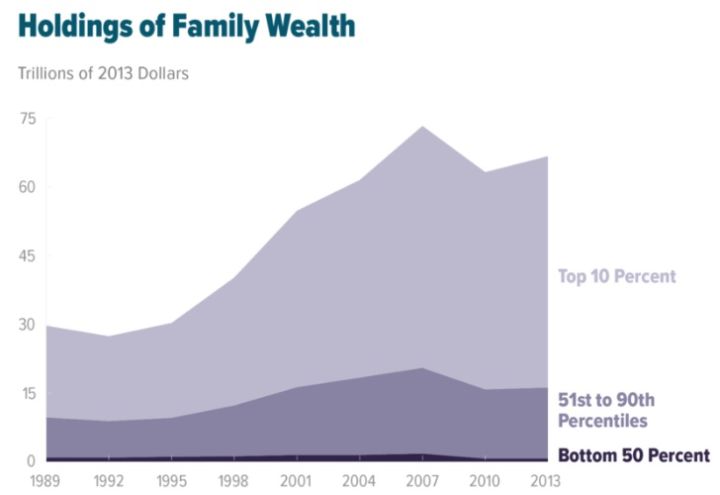
US family wealth distribution

The rest of the things

There’s lots more to complain about but little of it is specific to Amazon, it’s all about 21st-century-capitalism, like so:

  1. Warehouse workers’ lives are often shitty. In fact, life for the US working class these days is shitty, and it’s not by accident, it’s by design. It was called the Reagan-Thatcher neoliberal consensus, and it was wrapped up with lots of high-flying rhetoric about this freedom and that dynamism and those flexibilities, but you don’t have to be that cynical to see it as good old-fashioned class war. It’s obvious who’s winning.

  2. Big Tech sells technology to loathsome customers, for example carbon-vomiting oil extractors and overempowered child-caging immigration officials. Of course, possibly the bug is that these sorts of organizations are allowed to have oceans of money. Fix that and remove the temptation!

  3. Big Tech emits a whole lot of carbon into the atmosphere and facilitates the emission of much, much more. Humanity can’t afford this and it has to stop.

  4. Big Business in general and Big Tech in particular is waaaay too powerful; the millions poured into lobbying have fabulous ROI.

Break ’em Up

I’m strongly convinced that the structure of Big Business in general and Big Tech in particular is too concentrated in ways that are damaging along multiple axes. Check out Anti-Monopoly Thinking and Large Companies Considered Harmful; this is not a new opinion.

Let’s start with Google. It feels the most urgent because the Google/Facebook ad cartel is rapidly destroying publishing business models that have been essential to civilized human dicourse.

Next I’d go after Microsoft who are still, all these decades later, using the cash and incumbency advantages of their steely grip on the business desktop and email server to invade other business sectors. Which is to say, Slack has a gripe. This one is particularly maddening to me because Microsoft has been doing this shit since I was carving code on stone tablets.

By the time you’d launched those campaigns I suspect Amazon would wake up, smell the coffee, and spin out AWS already. Then we’ll see what the retail business is really like given the violent contrast between the galactic revenue growth and the negligible profit margin.

Media Friction

I’ve had a certain amount of friction with the journalists who found me interesting after my May 1st exit from Amazon. Because there was this great, simple, story that they’d like to have told: Plucky engineer leads geek revolt against Jeff Bezos, Richest Man In the World.

That struggle story — Man against company, or Man against Billionaire — is a crowd-pleaser. The actual struggle that interests me is against the current horrifying imbalance in global power and wealth, which is kind of abstract, doesn’t have a chiseled cartoon-villain billionaire in the cast, and is frighteningly large in scale.

Seriously; basically every reporter I’ve talked to has tried to get me to say awful things about Amazon and in particular about Jeff Bezos. But at my last job they taught me to think big and, with all his billions, Jeff is rounding error in the big picture. He’s not the problem; the legal/regulatory power structures that enable him and his peers is.

Amazon is a perfectly OK company, to the extent that planetary-scale sprawling corporate behemoths can be perfectly OK in 2020. Which is to say, not OK at all.

But once again, no one company is the problem. The problem’s the entirely-fixed great global card game illustrated by that graph, above. The problem’s the fact that in one of the world’s wealthiest economies, we have ever-growing homeless camps where they’re dying of opioids faster than Covid. (That’s maybe not the worst part, but it’s the one I see with my own eyes.)

We can do way better as a society than the greed-fueled planet-destroying worker-crushing hamster-wheel we’re spinning right now.

That’s why I’m making noise.